Almost every enterprise AI pilot looks great on day one. Someone wires an assistant to a system, asks it a question, and it answers. The room nods. A budget gets approved.
Then nothing ships for six months.
The gap between that first demo and a real production rollout is where most enterprise AI work quietly dies. Not because the AI is bad — because the demo skipped everything that production actually requires.
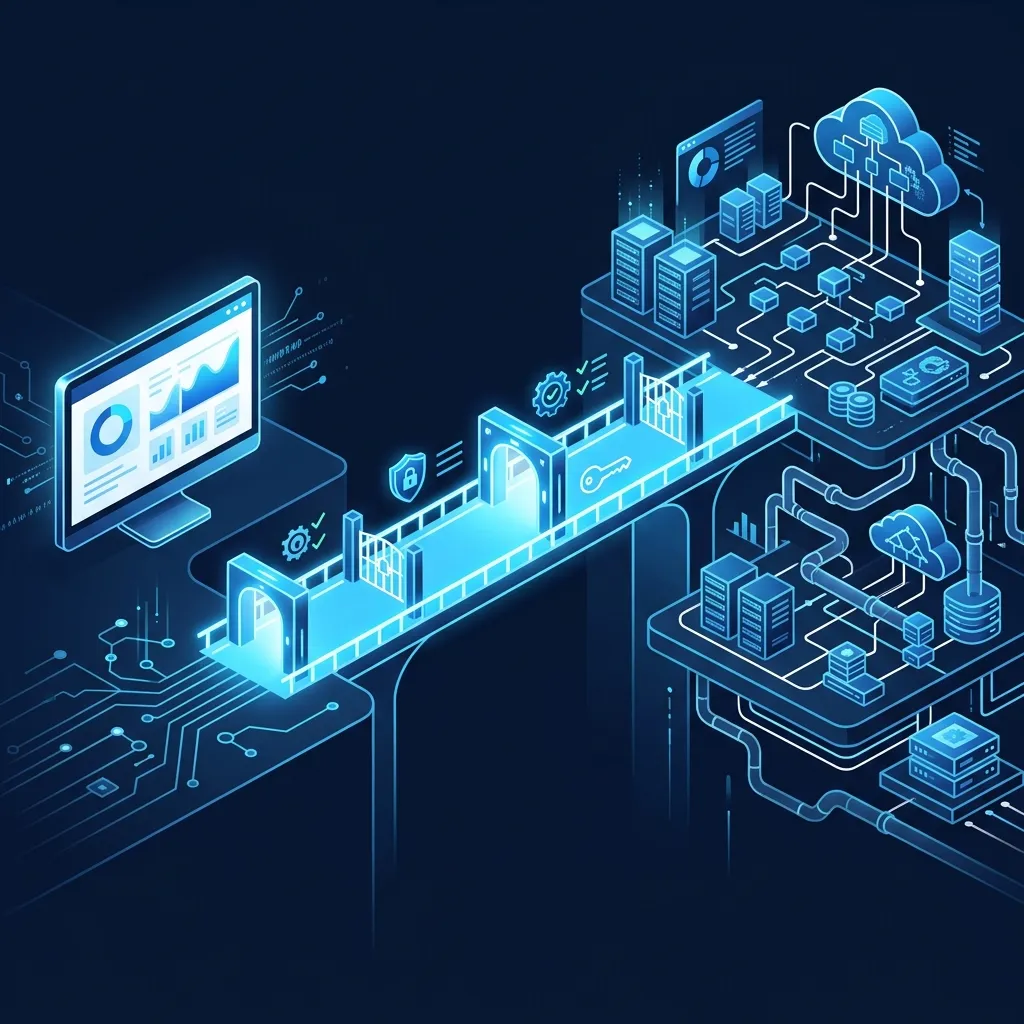 The gap between demo and production — a bridge spanning governance, security, and accountability
What the demo skipped
A pilot proves the AI can do something. Production has to prove it can do it safely, repeatedly, and accountably — for real users, on real data, under real scrutiny. That means answering questions the demo never had to:
- Who is allowed to see this data, and who isn't?
- What happens when the AI wants to change something, not just read it?
- Who approved that change, and can we prove it later?
- What breaks when the next model, or the next client, comes along?
Every one of these is a project of its own. Stacked together, they are why the pilot stalls.
These are exactly the challenges IT leaders should plan for when adopting MCP — and why the security architecture matters from day one.
The four stages that get you there
Getting to production is less about a bigger model and more about carrying each stage deliberately.
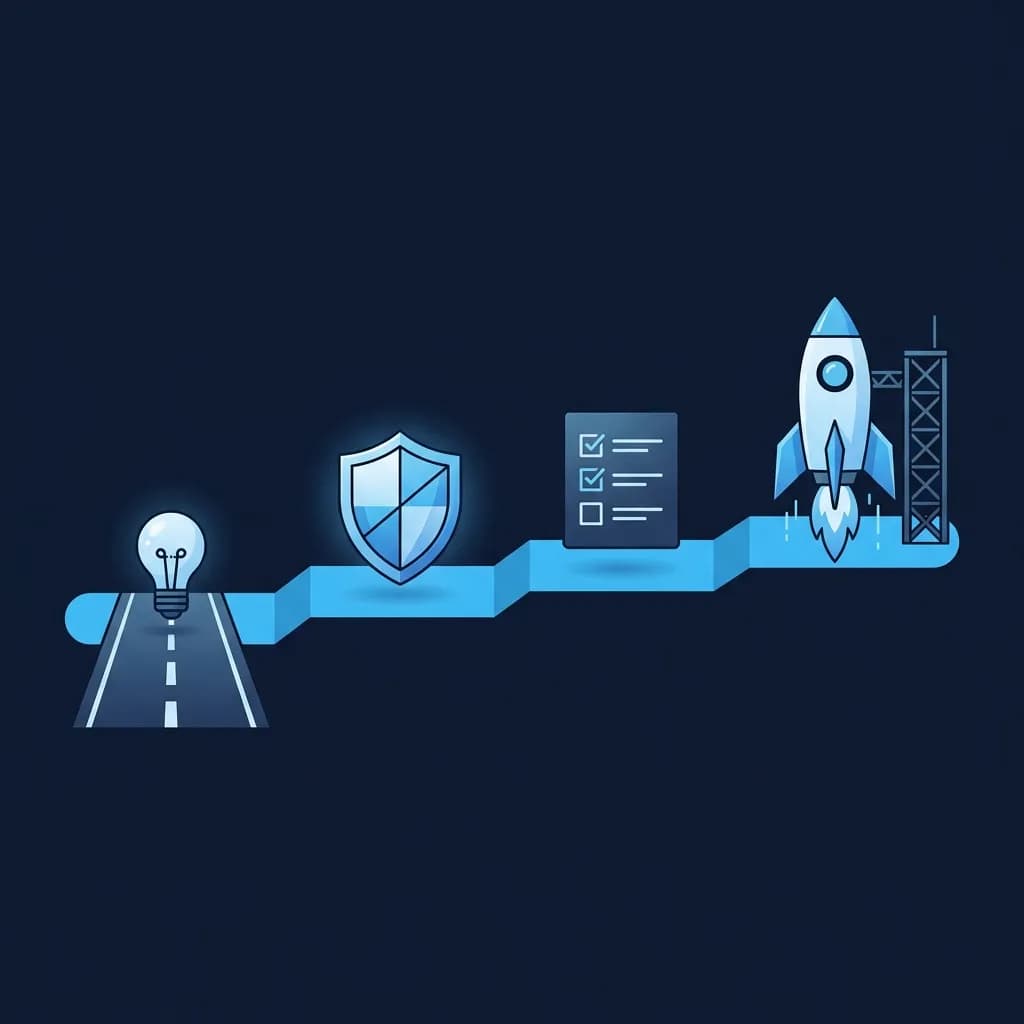
1. Pilot. Connect one service, generate read-only tools, and prove value with a single real question. Keep it small. The goal is signal, not scope.
2. Hardening. Now add the boundaries: scope which entities and fields are visible, hide the sensitive ones, and turn on writes — but behind an approval gate, not wide open. This is the stage teams underestimate most.
3. Governance. Named-approver gates and a full audit trail need to be on by default, not bolted on at the end. This is what lets security and compliance actually sign off instead of blocking the launch.
4. Scale. Add more systems, more AI clients, and more teams on the same governed setup. This is the stage most pilots never reach — and the only one that produces real return.
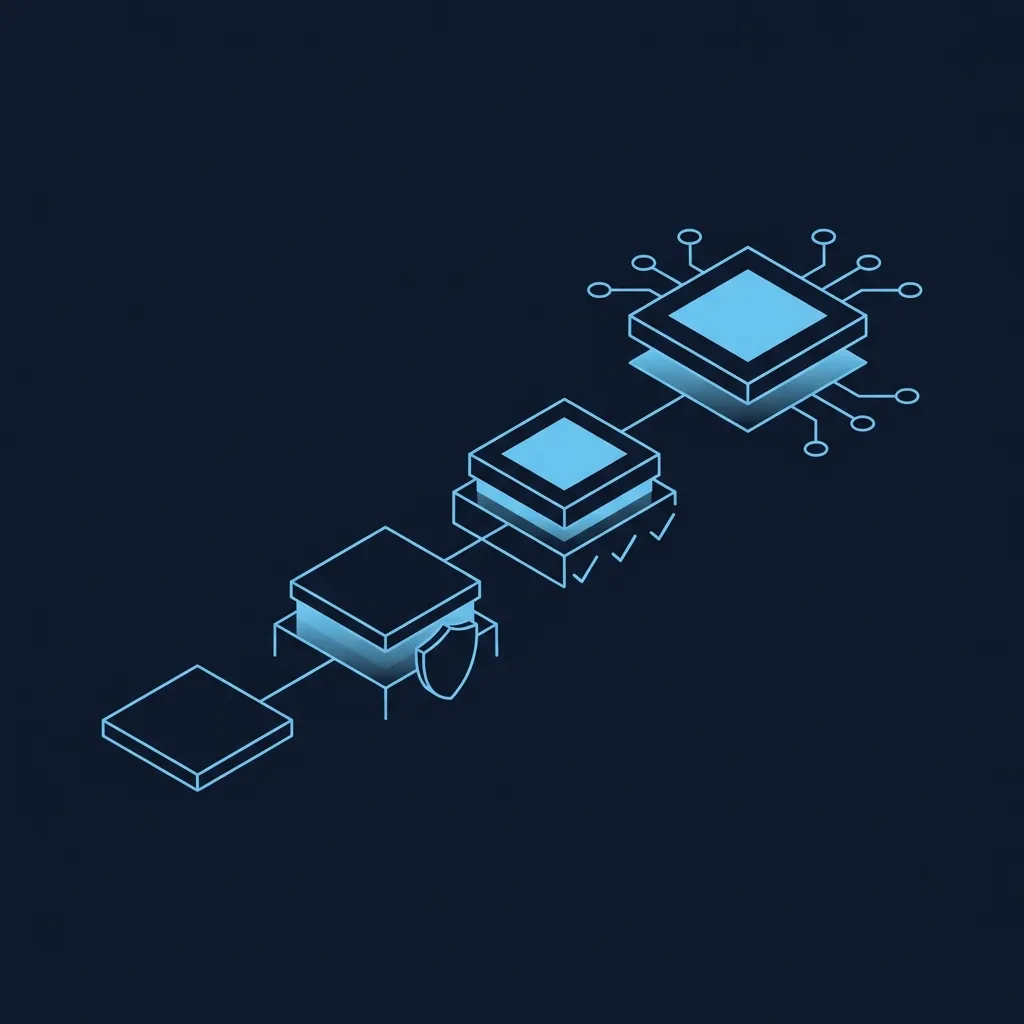 Four stages from pilot to production — progressive hardening, governance, and scale
The point
A pilot that can't survive contact with governance was never close to production. The work doesn't disappear — it just has to live somewhere. The fastest path to production is making sure scope, approvals, and audit are part of the foundation, not a renovation you discover halfway through.
Ready to start? The DataTether getting started guide walks you through connecting your first service. See the full platform capabilities to understand what each stage looks like in practice.
 mcp-ui