
 protocol
What is an OData MCP platform?
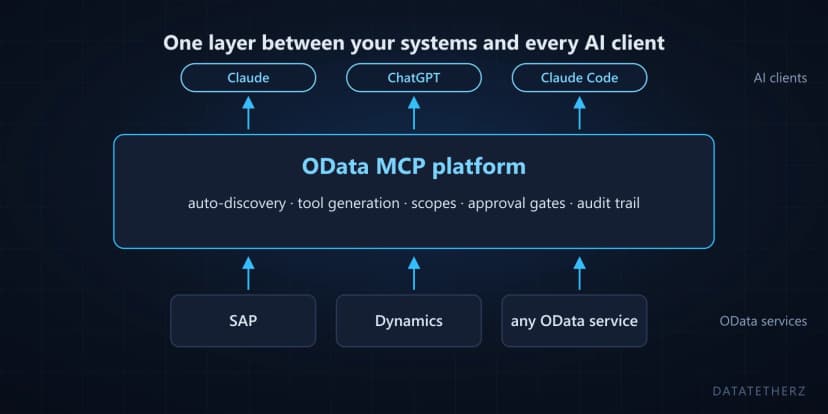
A new layer is forming between enterprise systems and AI assistants: platforms that turn OData services into governed MCP tools. What that means, why it exists, and what to look for in one.
4 min readRead
An emerging standard is a moving target. For an enterprise, that usually means cost. It doesn't have to — if the churn lands somewhere other than your roadmap.
By DataTether

The Model Context Protocol is young. It's improving quickly, the ecosystem is expanding, and the spec still shifts. For builders, that pace is exciting. For an enterprise IT leader, "still changing" usually translates to one word: cost.
That instinct is correct — but the cost is a matter of where the churn lands, not whether the standard is worth adopting.
A protocol change is rarely just a code change in a large organization. Each one drags a tail behind it:
Stack those up and a fast-moving standard becomes a recurring bill against your roadmap. This is the real reason enterprises hesitate on emerging technology — not the technology, the keeping up.
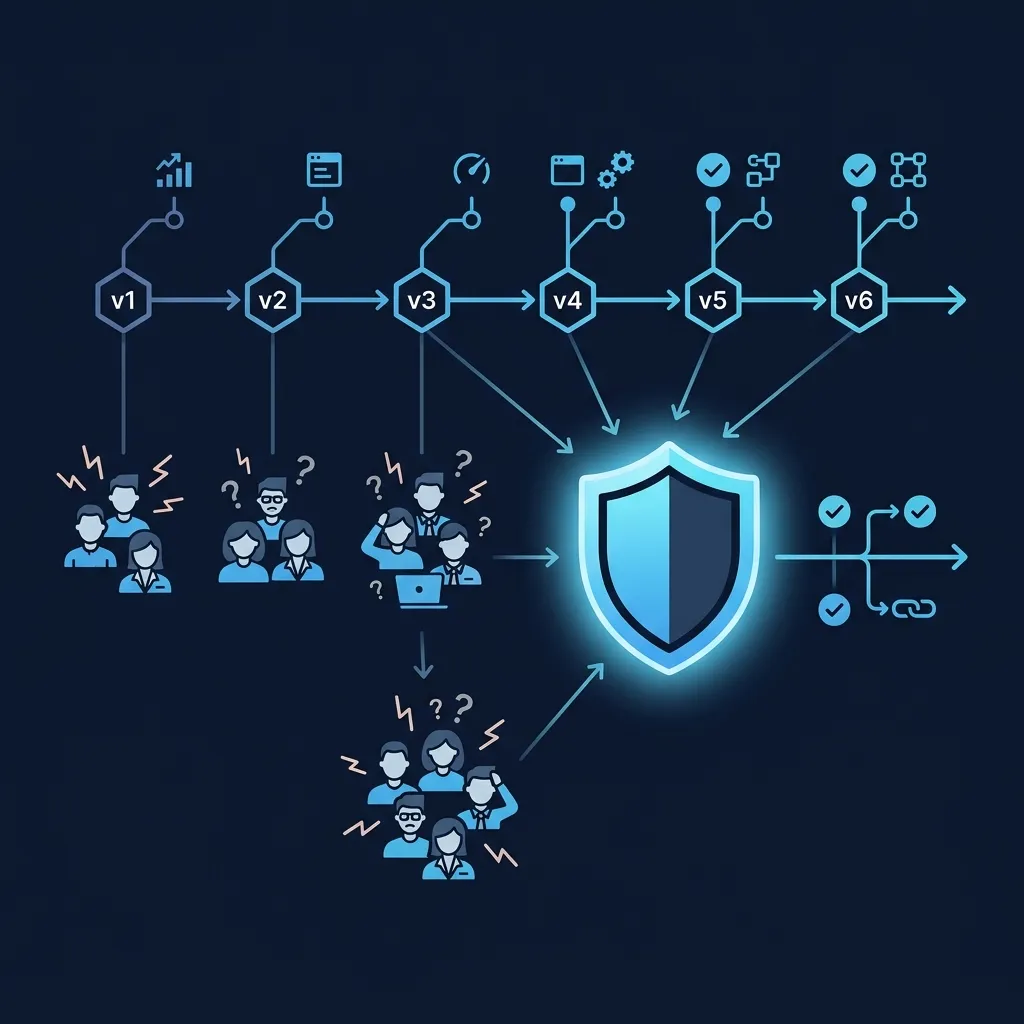 Protocol versions evolving rapidly — a managed service shield absorbs each change for enterprise stability
Here's the reframe. Being early on an open standard is genuinely valuable: you get capability your competitors don't have yet, and you avoid betting on a closed vendor path. The only thing standing between you and that upside is the cost of keeping current.
So move the cost. If the protocol churn is absorbed by someone who does it once, across every customer and every use case, then you get the upside of being early without the bill that normally comes with it. The updates still happen — they just don't show up as line items on your team's quarter.
This is also why the real cost of building your own server is higher than most teams estimate — the protocol churn is a standing bill, not a one-time expense.
"It's still early" is usually said as a reason to wait. It's actually a reason to be deliberate about who carries the change. The standard is worth adopting now. The question is whether each new release becomes your team's problem or someone else's — and that's a choice you get to make.
To understand what MCP actually is and why it matters, start with our guide to the Model Context Protocol. When you're ready to adopt it without carrying the churn, see how DataTether works.
Keep reading
protocolA new layer is forming between enterprise systems and AI assistants: platforms that turn OData services into governed MCP tools. What that means, why it exists, and what to look for in one.
 sap
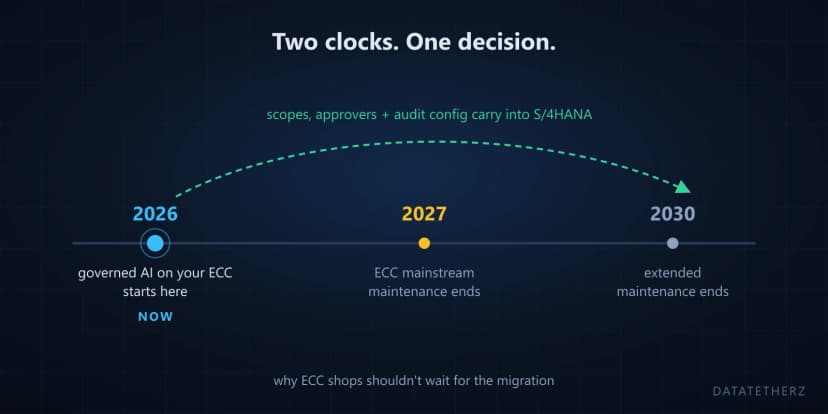
sapTwo board-level pressures — the ECC maintenance deadline and the AI mandate — are usually treated as one sequenced project: migrate first, AI after. That sequencing quietly costs years.
 architecture
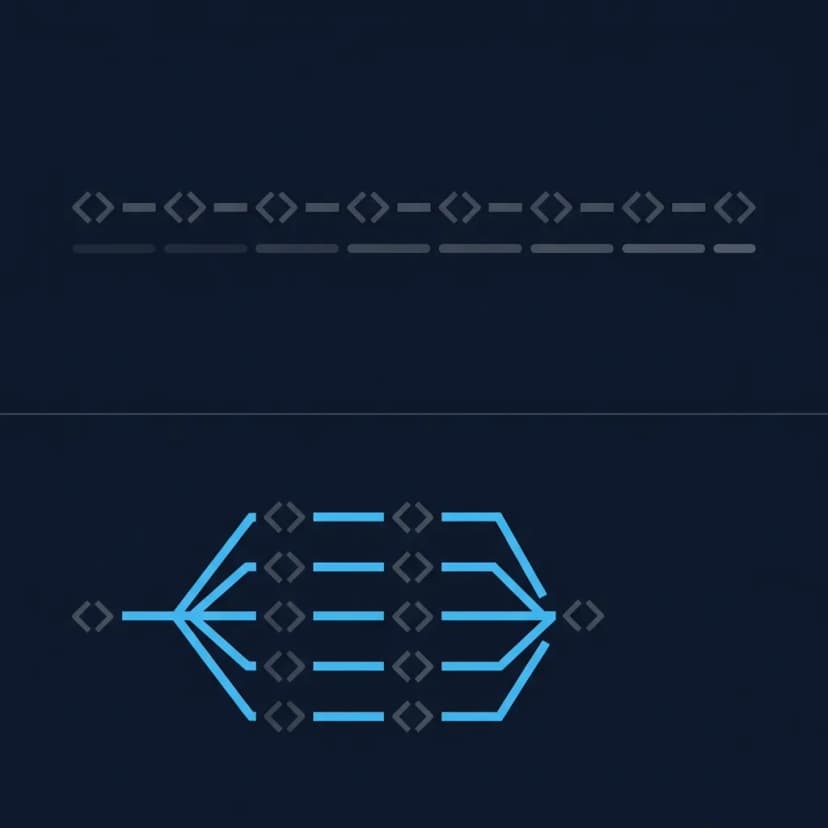
Mapping every API endpoint to its own MCP tool burns context tokens, triggers quadratic roundtrips, and turns agents into fragile state machines. Here is how DataTether's composite tools bundle multi-entity workflows into atomic, token-efficient calls.